Featured in Mongabay A sea cucumber venture in Zanzibar seeks to balance business and conservation All press →
Pemba, Zanzibar · Western Indian Ocean

A self-financing engine for
community ocean regeneration.

Asili Company partners with coastal fishing communities to set up CORE Zones, Community Ocean Regeneration Enterprise Zones: areas of sea the community closes to fishing, where a village cooperative ranches sandfish and the returns pay for protecting the area.

The enterprise funds protection. Protection regenerates the ocean. The ocean sustains the enterprise.

The Problem

Coastal communities are the people best placed to protect the tropical ocean for good. For decades, the economics have given them little reason to.

Conservation has treated ocean protection as a funding problem. We treat it as an enterprise problem.

Fishing pays a family today, in cash, every day. Protection pays later, to everyone at once, and much of the benefit goes to the ecosystem and to the next generation. For a family on the water, the daily choice comes down to what feeds the household this week.

The conservation sector has answered with grants, livelihood supplements and awareness programmes that run alongside fishing. When the money runs out, management often stops and fishing resumes. Protection has rarely been made to pay for the communities doing it. CORE Zones are designed to change that.
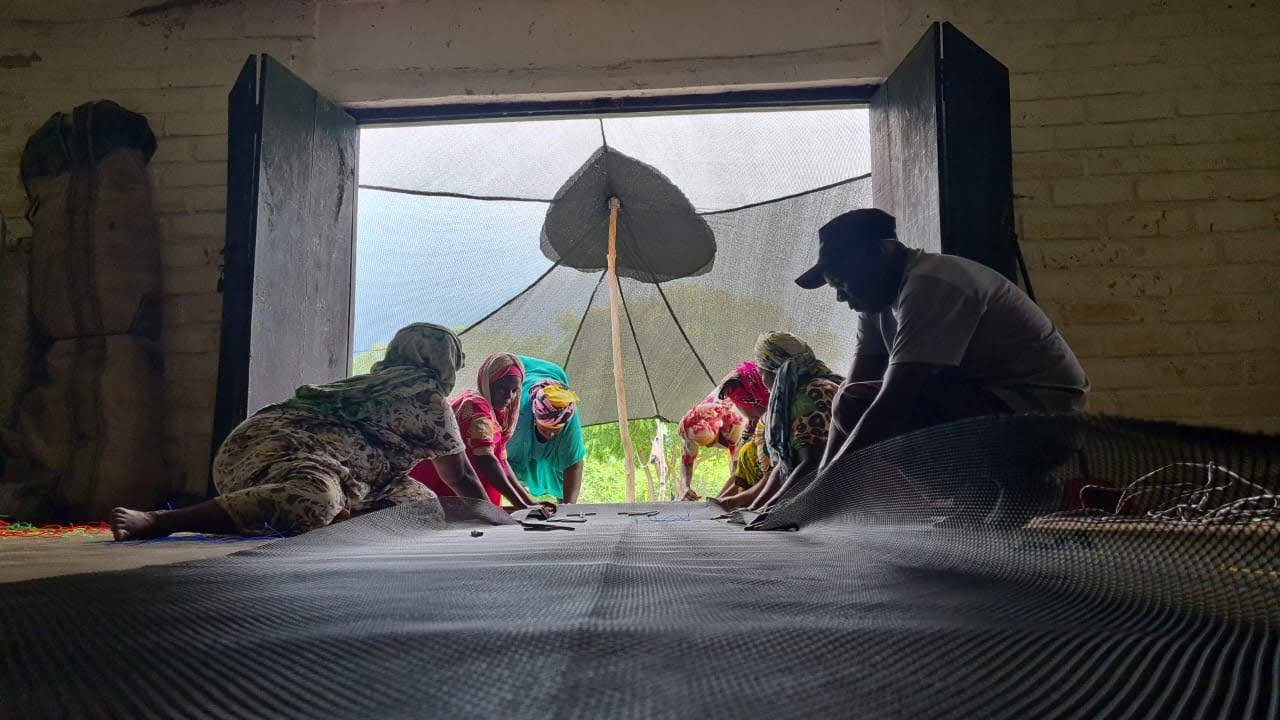
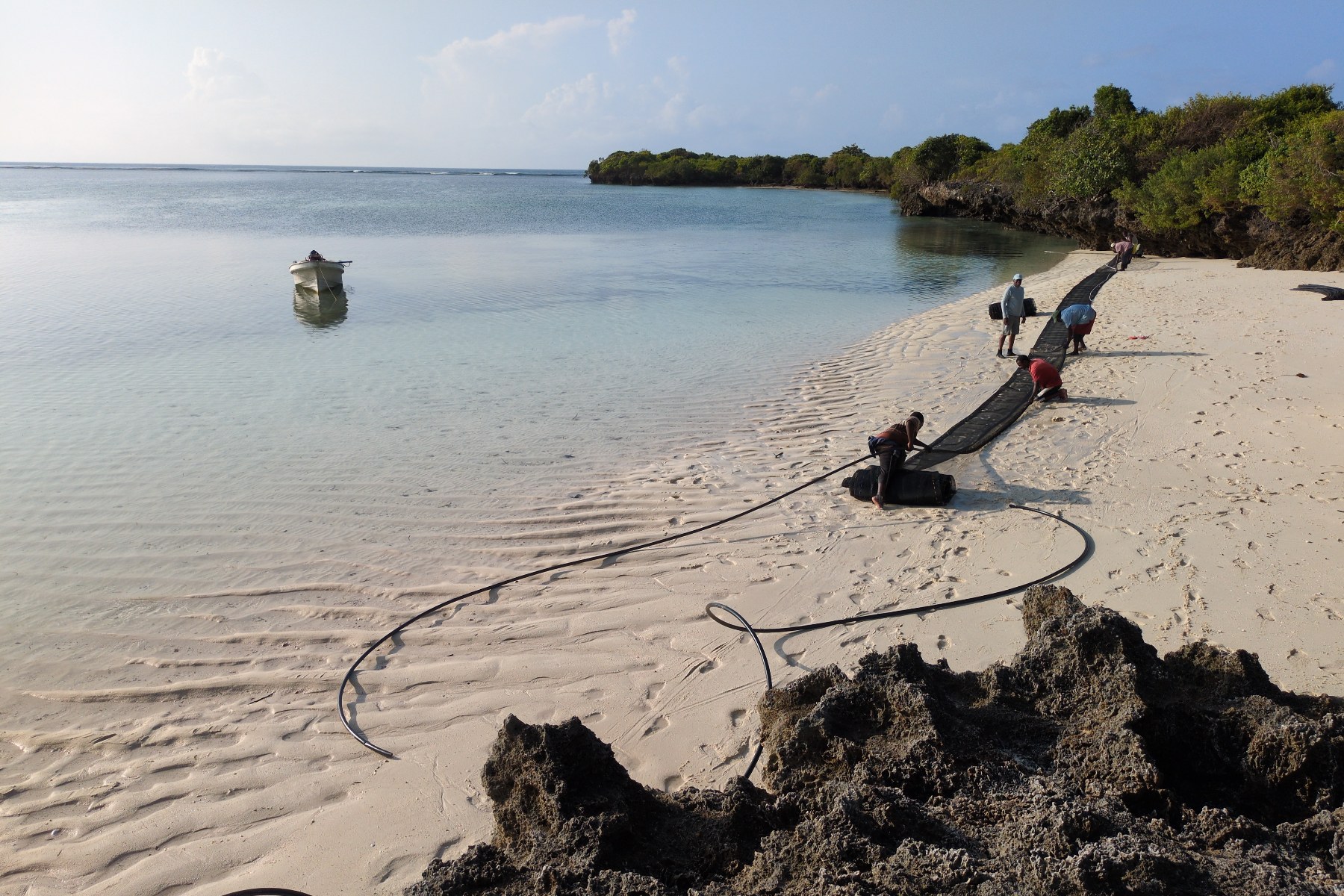
Cooperative members working with netting in the shallows
The CORE Zone Model · Community Ocean Regeneration Enterprise

A self-financing community ocean enterprise, from first harvest.

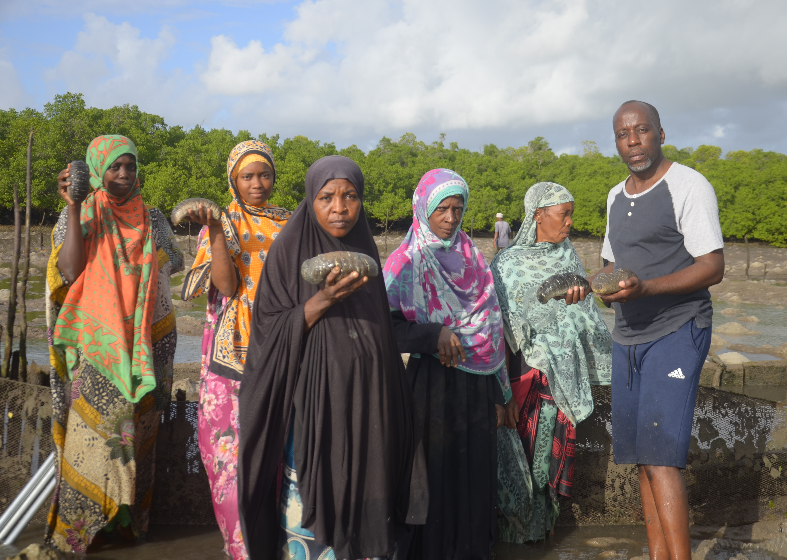
A CORE Zone is an area of sea that a coastal community closes to fishing of every species, through its Shehia Fishers Committee and Sheha. A village cooperative ranches sandfish inside it in partnership with Asili Company, and the returns pay the people who run the ranch, a fund for the village, and the patrols that protect the area.

CORE-Zoneself-sustaining RegeneratedOcean PremiumProduct EnterpriseRevenue FundedProtection
1

Regenerated ocean → Premium product

Sandfish grow well only where the whole ecosystem is healthy. Protecting the whole area is how the ranch produces.

2

Premium product → Enterprise revenue

Hatchery-raised sandfish, ranched in a community-protected area and processed to export grade, sold as bêche-de-mer with a known origin.

3

Enterprise revenue → Funded protection

Returns are shared: half to Asili for its inputs and costs, a quarter to the people who work and patrol the ranch, a quarter to the village.

4

Funded protection → Regenerated ocean

Paid patrols keep the area closed, the seagrass, fish and sea cucumbers recover, and the next harvest grows from a healthier sea.

The full CORE Zone model →

Structural alignment of social equity, ecology and economics: the foundation of every CORE Zone.

Why This Is Different

Earlier models fell short for structural reasons. CORE Zones are built to answer all four.

Equity, ecology and economics are built into the same enterprise, so each one supports the others.

What fell short before

NGO conservation pilots: rarely viable without continuing donor support, so management often stops when funding ends.

Commercial aquaculture: earns revenue but can exclude communities, enclose the commons and degrade the ecosystems it depends on.

Livelihood programmes: usually too small to change the economics of fishing. Families cannot put protection first on a supplementary income.

Export seafood markets: hard for community producers to reach without processing capacity, traceability and buyer relationships.

How CORE Zones answer each one

Built as a business: from first harvest, the community's share of the returns pays for wages, patrols and its own governance.

Community-governed commons: the community decides on the closure, sets the rules and patrols the area through its own institutions. The infrastructure belongs to the cooperative.

Enterprise-scale returns: half of the returns stay with the community, split between the people who work the ranch and the village.

Integrated value chain: Asili brings the hatchery juveniles, processing, traceability and route to market, so partner communities do not have to build them alone.

The enterprise and the conservation outcome are the same thing: the ranch produces only when the protected area recovers.

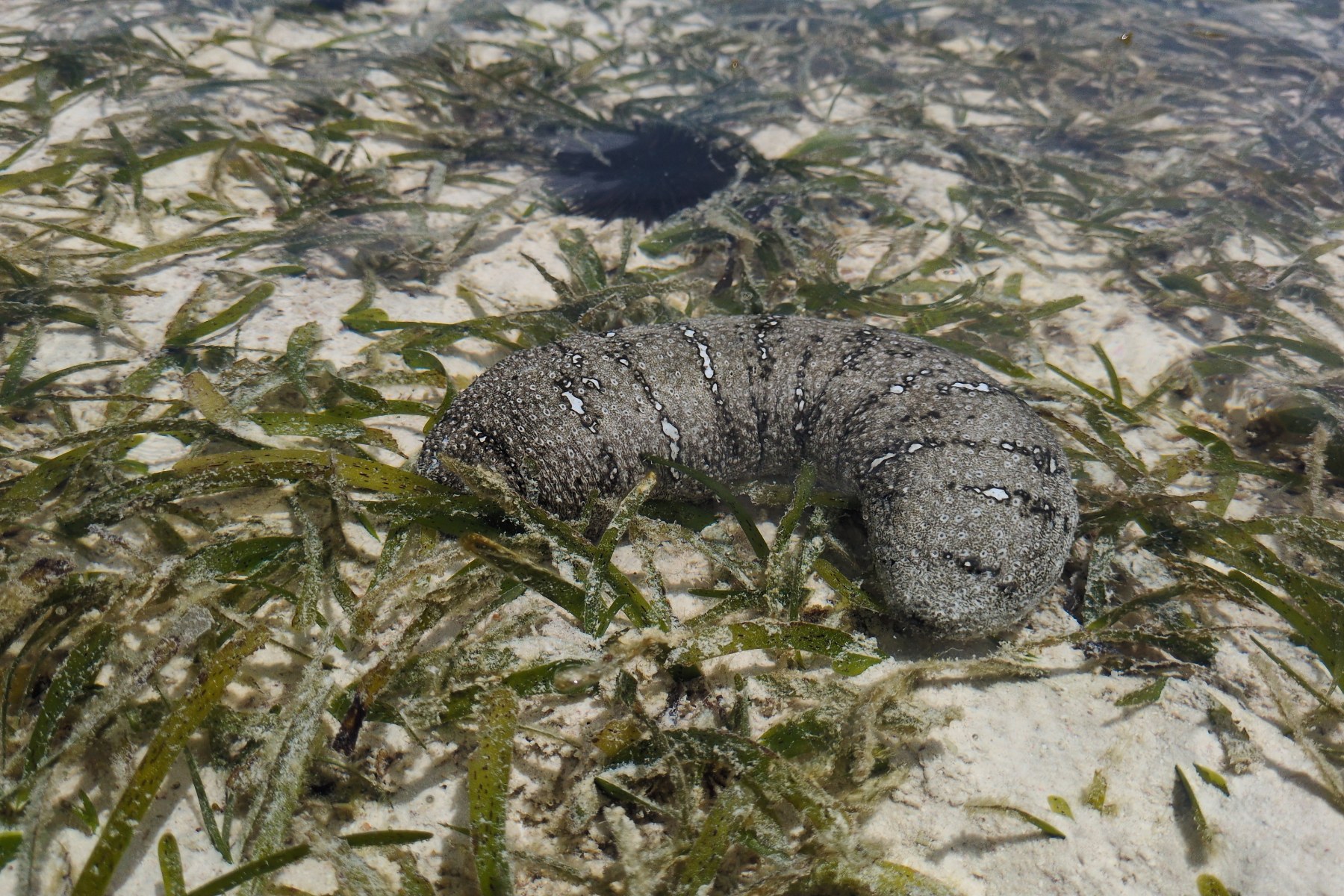
Sandfish, Holothuria scabra
The Missing Functional Group

Holothuria scabra: not just a seafood. A missing ecological engine.

Sea cucumbers were once common across tropical seagrass beds. Decades of harvesting have removed them from much of the near-shore habitat they once worked. Without them, less sediment is turned over and fewer nutrients are recycled back to the seagrass and the life around it.

Ranching sandfish inside a protected area puts them back to work while the whole area recovers. The farming and the regeneration happen in the same place, at the same time.

About sandfish (H. scabra) → The evidence base →
Our Product

A-grade bêche-de-mer, ranched in community-protected seagrass.

Asili Company produces dried sandfish, Holothuria scabra, sold as A-grade bêche-de-mer (trepang). Our sandfish grow on the seagrass inside areas their communities have closed to fishing, not in overfished wild stocks, polluted water or intensive ponds.

Every batch is processed to strict quality protocols for international buyers and can be traced back to its site and community of origin. It is for buyers who care about provenance, purity and how their seafood is produced.

Species

Holothuria scabra, sandfish

Product

A-grade dried bêche-de-mer / trepang

Production

Ranched in community-protected seagrass, Pemba

Traceability

Site and community of origin for every batch

Buyer inquiries: Alexandra Garcin →
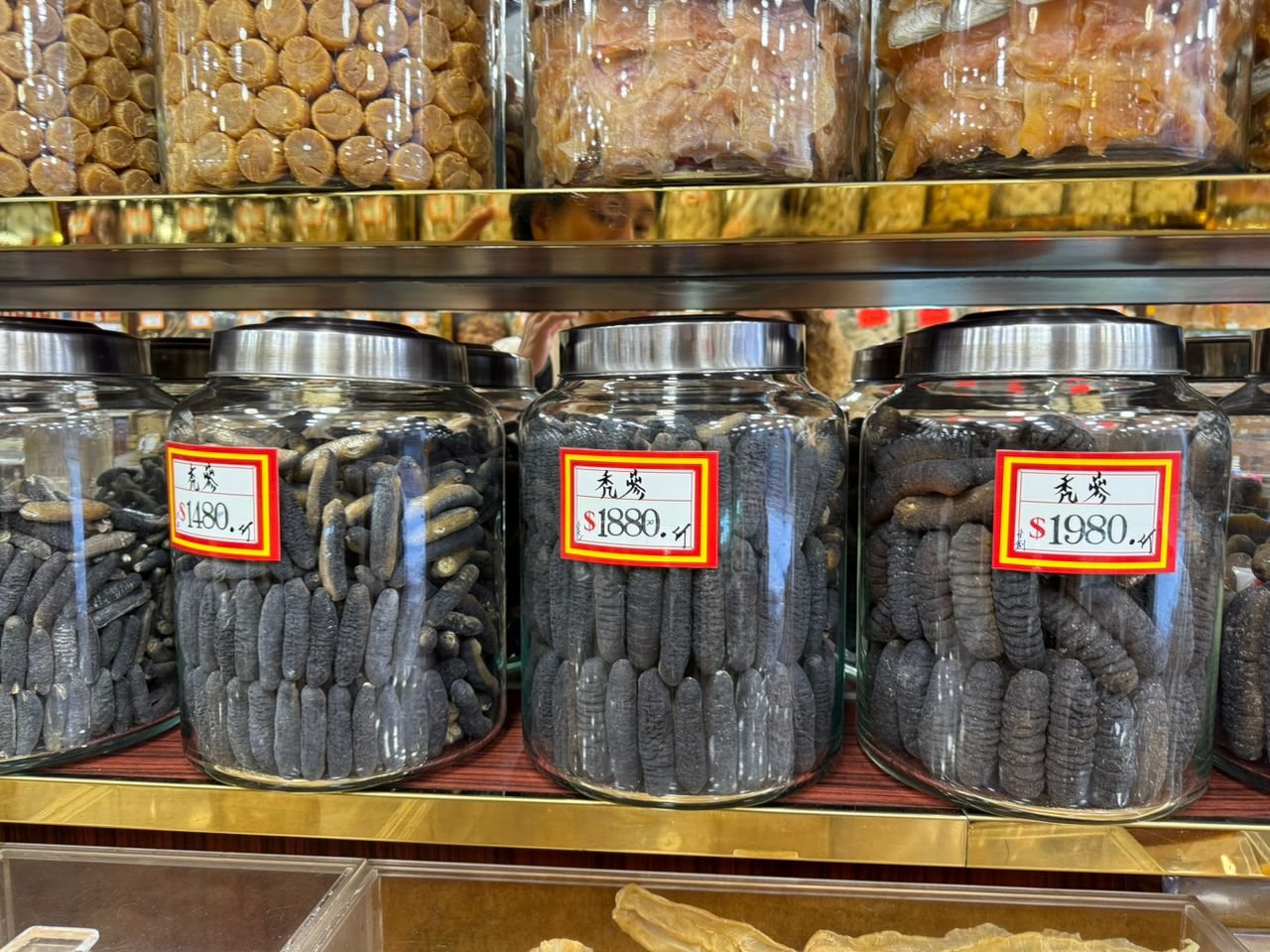
Jars of dried sea cucumber, bêche-de-mer, on sale in a dried seafood shop
Dried sea cucumber on sale in a dried seafood shop, where bêche-de-mer is graded and sold by size and quality.
On the Water · Pemba Island, Zanzibar

A production and governance system built on the water, with its own hatchery.

A community ranch is only as reliable as its supply of juveniles. That is why Asili is building its own hatchery into the model, so the input every CORE Zone depends on sits inside the enterprise.

What is in place

The first CORE Zone: Shamiani, on Kiweni Island in South Pemba, opened in May 2026. The Shehia Fishers Committee laid the boundary buoys, and the Shamiani Sea Cucumber Cooperative runs the ranch.

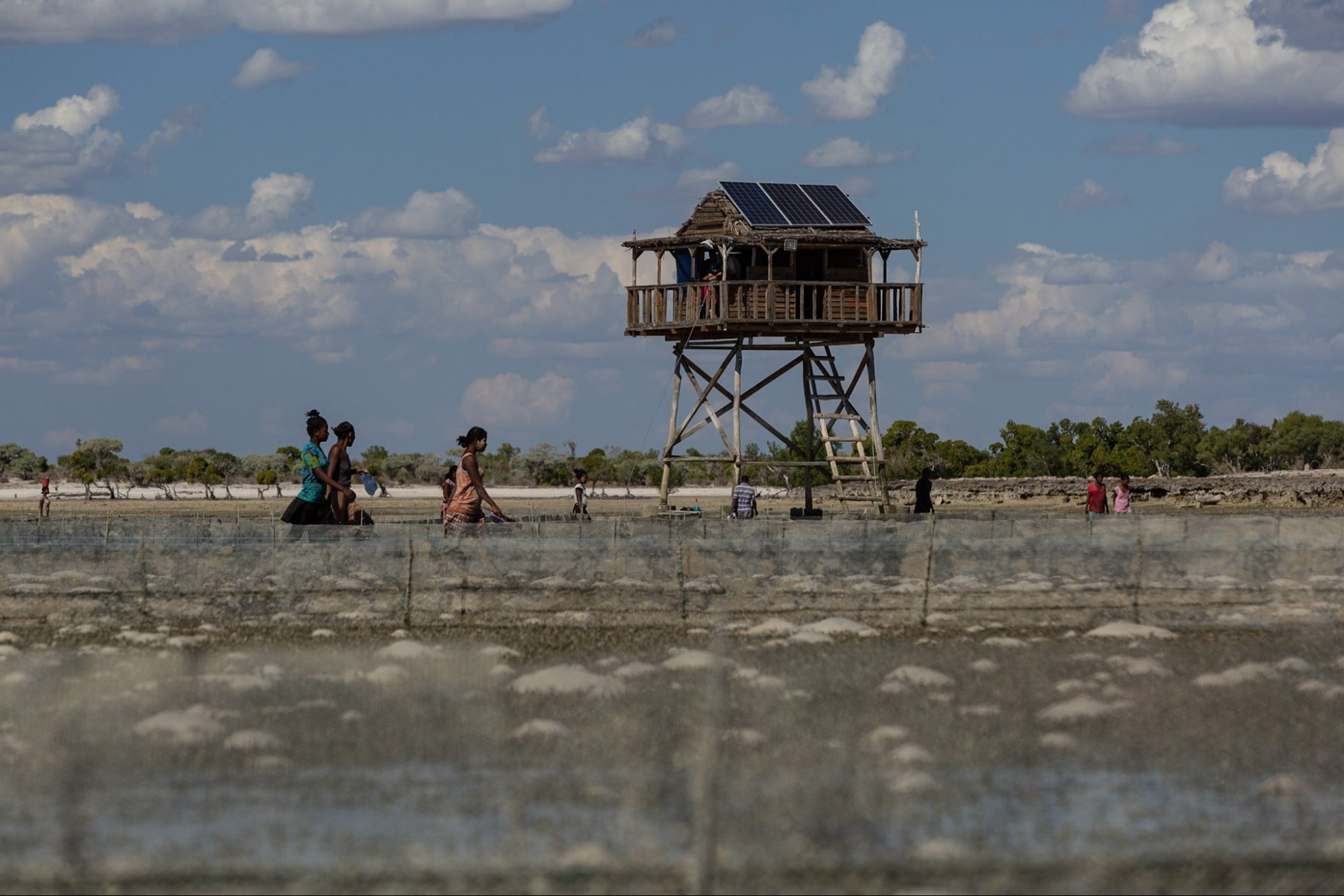
Community patrol: the cooperative and the SFC patrol the area from watchtowers and floating security rafts.

Our own hatchery: under construction on Kiweni Island. It will supply sandfish juveniles to the ranches, so supply does not depend on anyone outside the model.

The Kiweni Replication Centre: owned by the Kiweni Cooperative, it hosts partner teams who come to Pemba to learn the model.

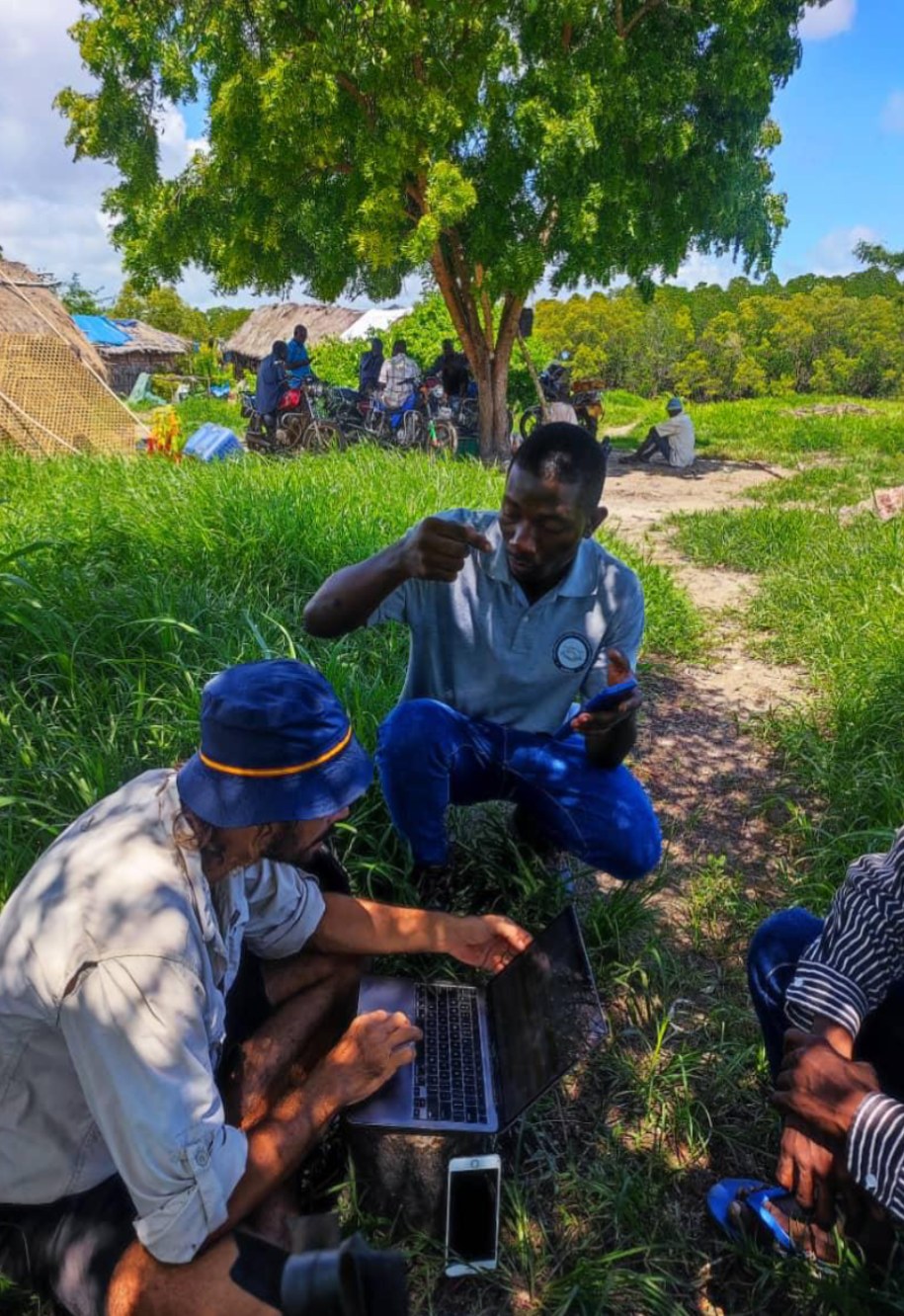
Community monitoring: cooperative members are trained to monitor seagrass and sandfish in their own area.

Watchtower over the Shamiani CORE Zone, Pemba Cooperative members installing floating netting
Field monitoring in a seagrass bed
Impact

One intervention. Multiple system outcomes.

CORE Zones are designed to deliver outcomes in four areas at once, each tied to the same enterprise.

🌊 Ocean & Biodiversity

  • Areas closed to fishing of every species, so the whole ecosystem recovers
  • Sandfish restocked from a hatchery, with wild sea cucumbers in the area protected too
  • Young fish spilling over into the fishing grounds around the closed area
  • We intend to support government recognition of CORE Zones as OECMs

🌿 Climate & Seagrass

  • Seagrass meadows protected and given the chance to recover
  • Sediment turned over and nutrients recycled by sandfish
  • Low-input protein: ranched sandfish need no feed

👥 Livelihoods & Gender

  • Wages for the people who run the ranch, paid before the first harvest
  • Work offered first to the fishers who used the area
  • Separate sign-up lists for men and women at open town halls
  • A quarter of the returns to the village for community development

⚖️ Governance & Human Rights

  • The closure is the community's own decision and record
  • The area stays a community commons, not privatised
  • Boundary changes go through the Sheha and the SFC
  • Rules are community-made. Enforcement is community-led.
Scale

CORE Zones across Zanzibar, then across every suited coastline in the tropical Indo-Pacific.

Zanzibar Scale-Up

Pemba's coastline has the community governance structures and seagrass habitat to support many more CORE Zones. Each new site shares the same hatchery, processing and buyers, and adds to the evidence base.

Community Practitioner Model

We scale through community practitioners, not company-owned expansion. Partner teams come to the Kiweni Replication Centre on Pemba to work through the whole model, from ranching to governance, patrol and benefit sharing, and keep Asili as their technical partner when they go home.

Geographic Reach

The model applies wherever Holothuria scabra and seagrass occur together, across the tropical Indo-Pacific: East Africa, the Mozambique Channel, Madagascar, South and Southeast Asia and the Pacific Islands, where community resource management frameworks are already in place.

Services for replication partners →
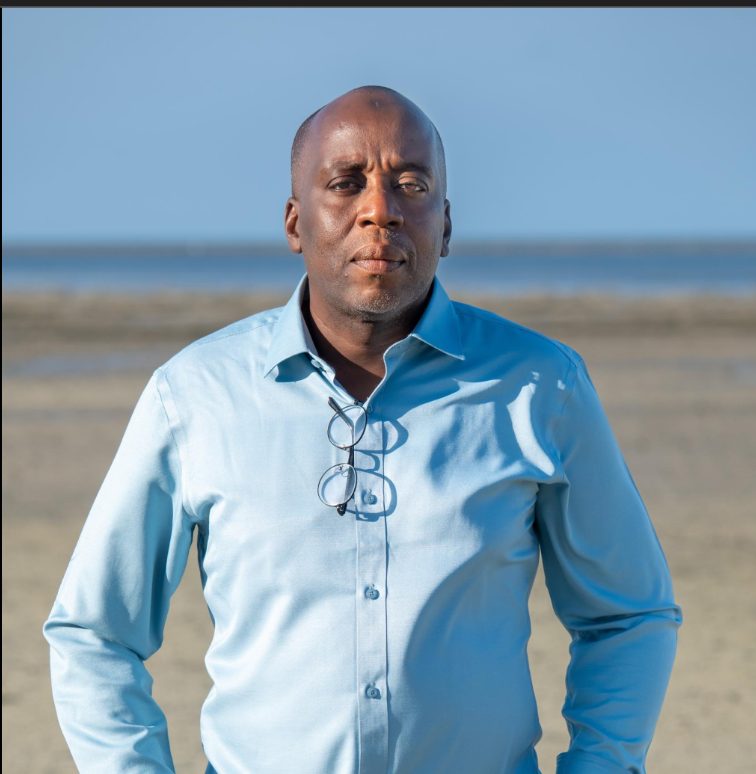
Daud Salum with Shehia Fishers Committee members, Pemba
Why Now

A closing window, and a model ready to move through it.

The window is closing

Near-shore fisheries are in decline. Across the Indo-Pacific, the communities most exposed are also the ones best placed to reverse it, if the economics work for them.

Aid budgets are shrinking. Cuts to USAID and UK aid, and a wider retreat of public conservation funding, make models that pay their own way more urgent.

Nature finance is developing. OECM frameworks, blue economy commitments and biodiversity finance are opening new support for community-governed areas that show real conservation outcomes.

The opportunity is open

The model is built on field experience. More than 15 years of community sandfish farming shaped it, and on Pemba the first CORE Zone is open and our own hatchery is being built.

Buyers want to know where seafood comes from. Hatchery-raised sandfish from community-protected areas, with a known origin, answer that demand.

30×30 needs community-governed areas. Every CORE Zone on Pemba lies inside a gazetted Marine Conservation Area, and we intend to support the government in recognising CORE Zones as OECMs.

We have the model. We need the scale.

Partner With Us

We are building the relationships and financing to scale up in Zanzibar and scale out across the Indo-Pacific.

Public co-investment brings each community into the model: training, equipment and wages until the first harvest. Private capital builds the hatchery, processing and market access that serve every site. We welcome direct conversations with investors, philanthropists, buyers and replication partners.

Buyers & Sales Partners

Buyers and distributors of bêche-de-mer serving restaurants, retailers and markets that value seafood they can trace to a community-protected site. Talk to Alexandra →

Investors & Philanthropists

Private capital for the hatchery, processing and market access that serve every site, and philanthropic co-investment that brings each community to its first harvest. Talk to Timothy →

Science & Research Partners

Independent study of what CORE Zones do for seagrass, sediment, fish, coral and the communities who run them. Talk to Timothy →

Implementation Partners

Governments, development organisations, community groups and marine governance bodies that want to bring the model to their coastline. We provide the system; partners bring the relationships and local legitimacy. Talk to Daud →

Partners and collaborators
Shamiani Sea Cucumber Cooperative Kiweni Cooperative
Investment Detail → Meet the Team
Explore

Go deeper into any part of the model.

The Model

CORE Zone Partnerships

How a community closes its area, who does what, how returns are shared, and how the model replicates.

Explore the model →
Sandfish

Why Holothuria scabra Changes Everything

What sandfish do for the seabed and seagrass, and why they are worth ranching.

About sandfish →
Science

The Evidence Base

The research behind the model and how we monitor each site.

The science →
Community

Ocean Enterprises, Not Survival Wages

Wages before harvest, shared returns, the village fund and community governance.

Community benefits →
Services

Full-Circle CORE Zone Support

Science, juveniles, training, patrol equipment, processing and market access.

What we provide →
Invest

A Network of Self-Financing Enterprises

How the model is financed, partners and collaborators, and investor information on request.

Investment detail →
About

Built from the Ocean Up

The team, and why this model had to be built.

About Asili →
Contact

Speak directly with our team.

Whether you are a buyer, investor, researcher or potential replication partner, write to the member of our team who covers your question. We share figures, documents and site detail in a call.

Timothy Klückow

Timothy Klückow

CEO & Technical Director

Sea cucumber production, aquaculture science, the hatchery, research partnerships and investment inquiries.

Alexandra Garcin

Alexandra Garcin

Marketing & Sales Director

Product inquiries, buyer relationships, sales partnerships and distribution.

Daud Salum

Daud Salum

Director of Operations, Zanzibar

Zanzibar operations, community partnerships and field visits.

From protecting the ocean
to rebuilding the systems that sustain it.

Conservation built into the business itself.

Invest in the Network The CORE Zone Model