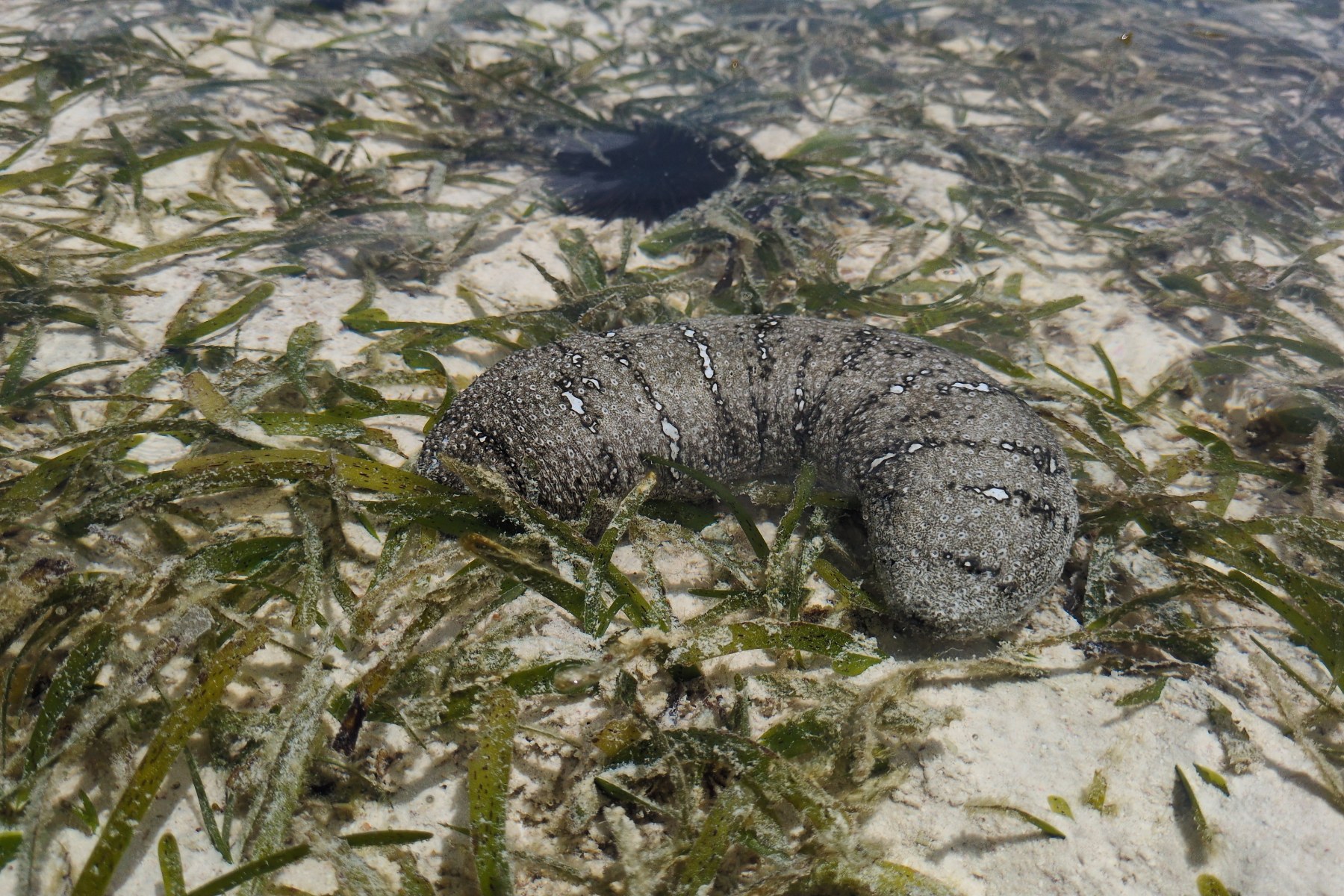
Every CORE Zone begins with science.
Before the first juvenile is stocked, Asili surveys the site with the community: the seagrass, the wild sea cucumbers, the seabed and the people who use the area. The community's own institutions decide the boundary; the science tells us how to stock and manage what they have closed.
The same work sets the baseline each site is measured against.
Delivered to every CORE Zone partner
- Site assessment: seagrass habitat, wild sea cucumber surveys and seabed conditions
- Social and environmental baseline: recorded with bilingual field forms in English and Kiswahili
- Carrying-capacity trials: so stocking matches what the site can support
- Community monitoring: seagrass and sandfish surveys carried out by trained cooperative members
The sea cucumbers in every CORE Zone start here.
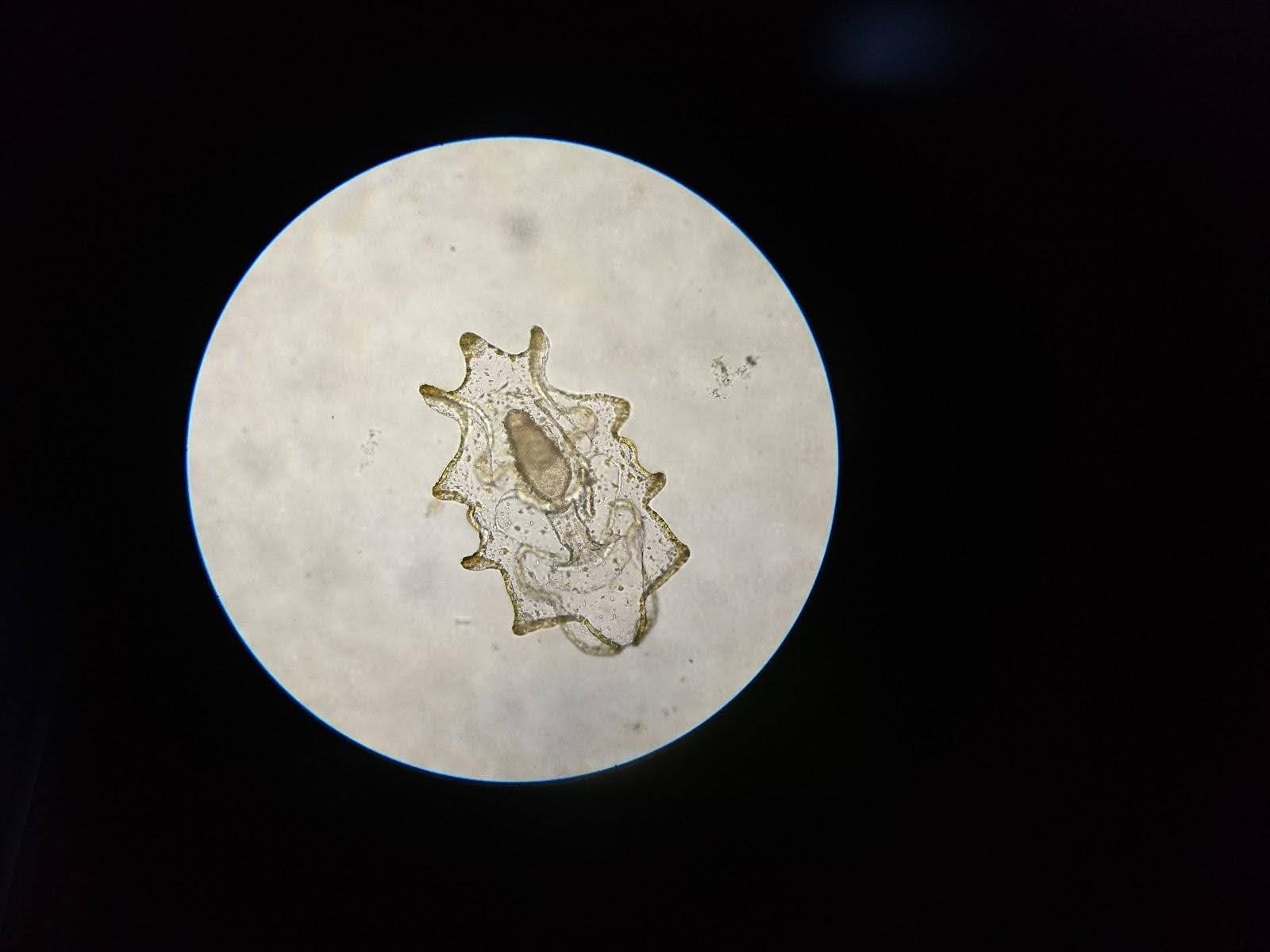
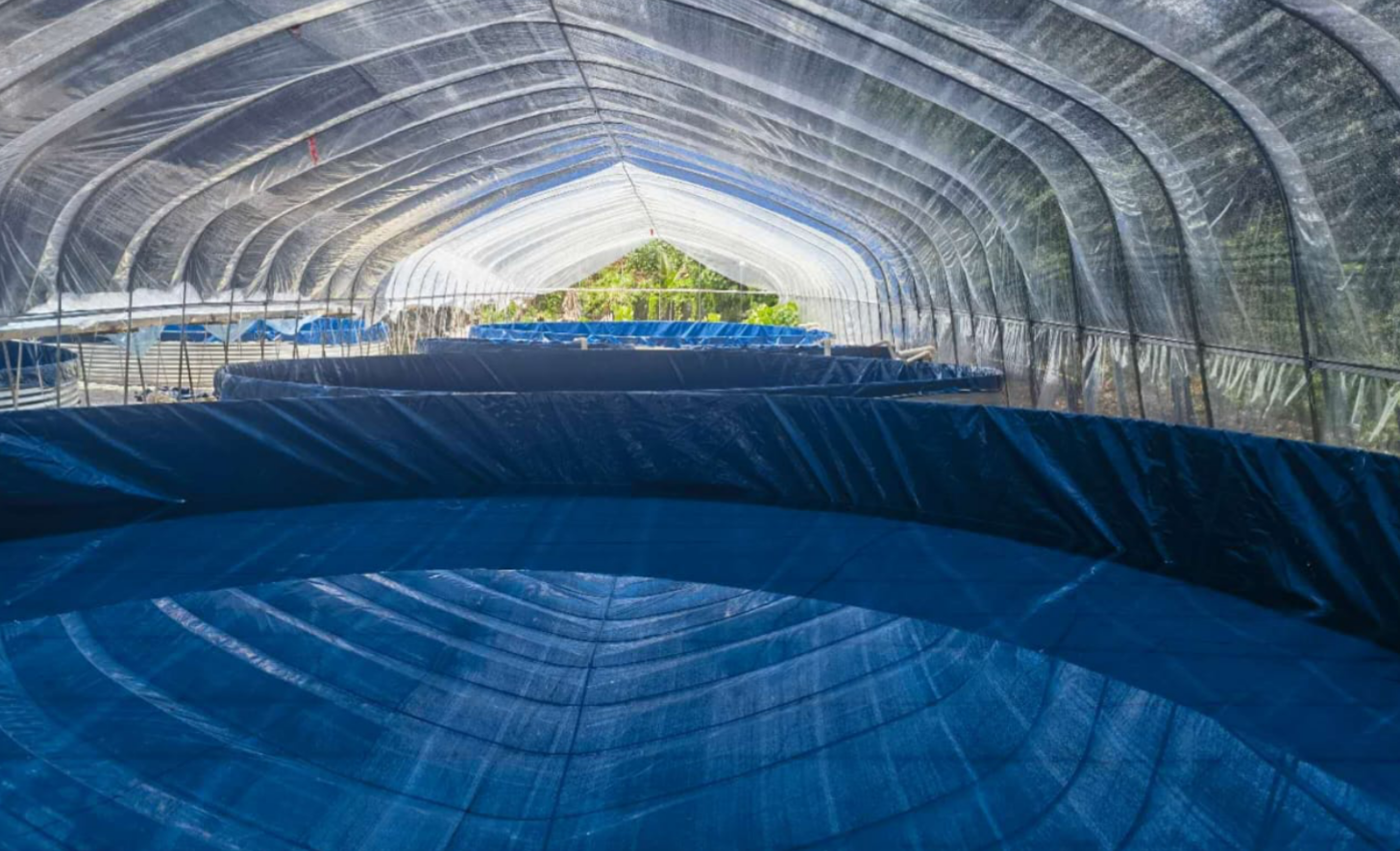
The Asili Company hatchery is under construction on Kiweni Island, Pemba. It will rear sandfish (Holothuria scabra) and golden sandfish (Holothuria lessoni) from broodstock through the larval stages and grow them to ocean-ready size for the partner CORE Zones.
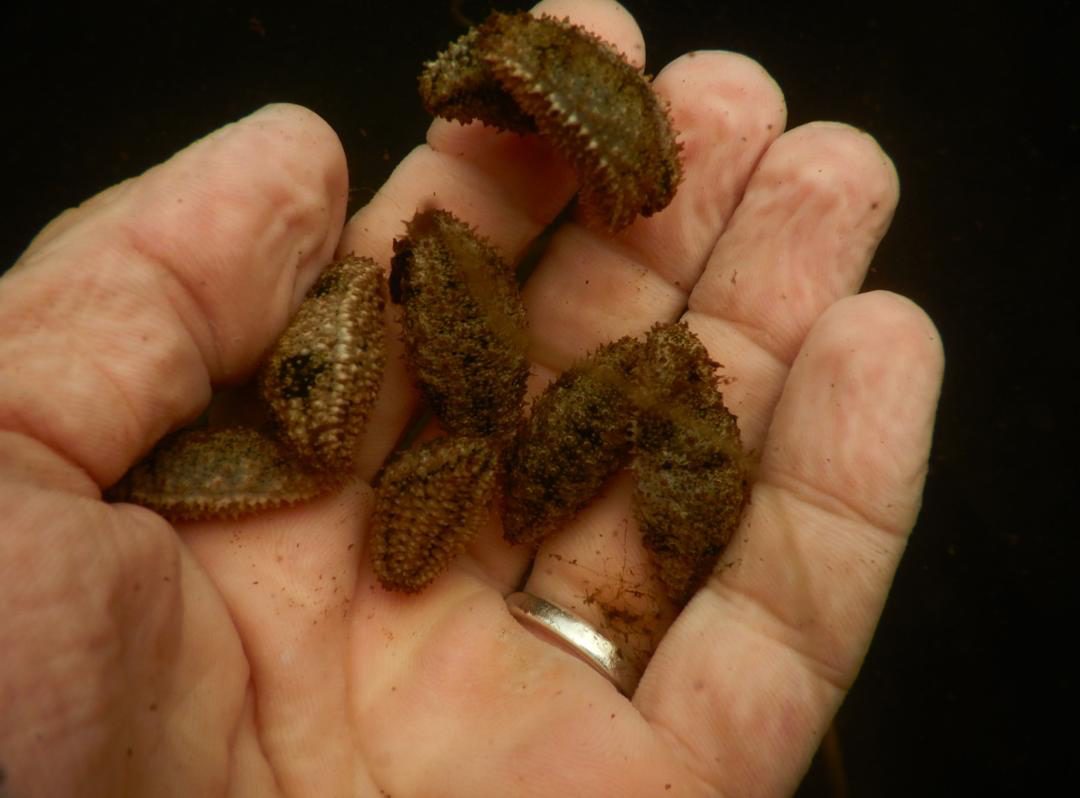
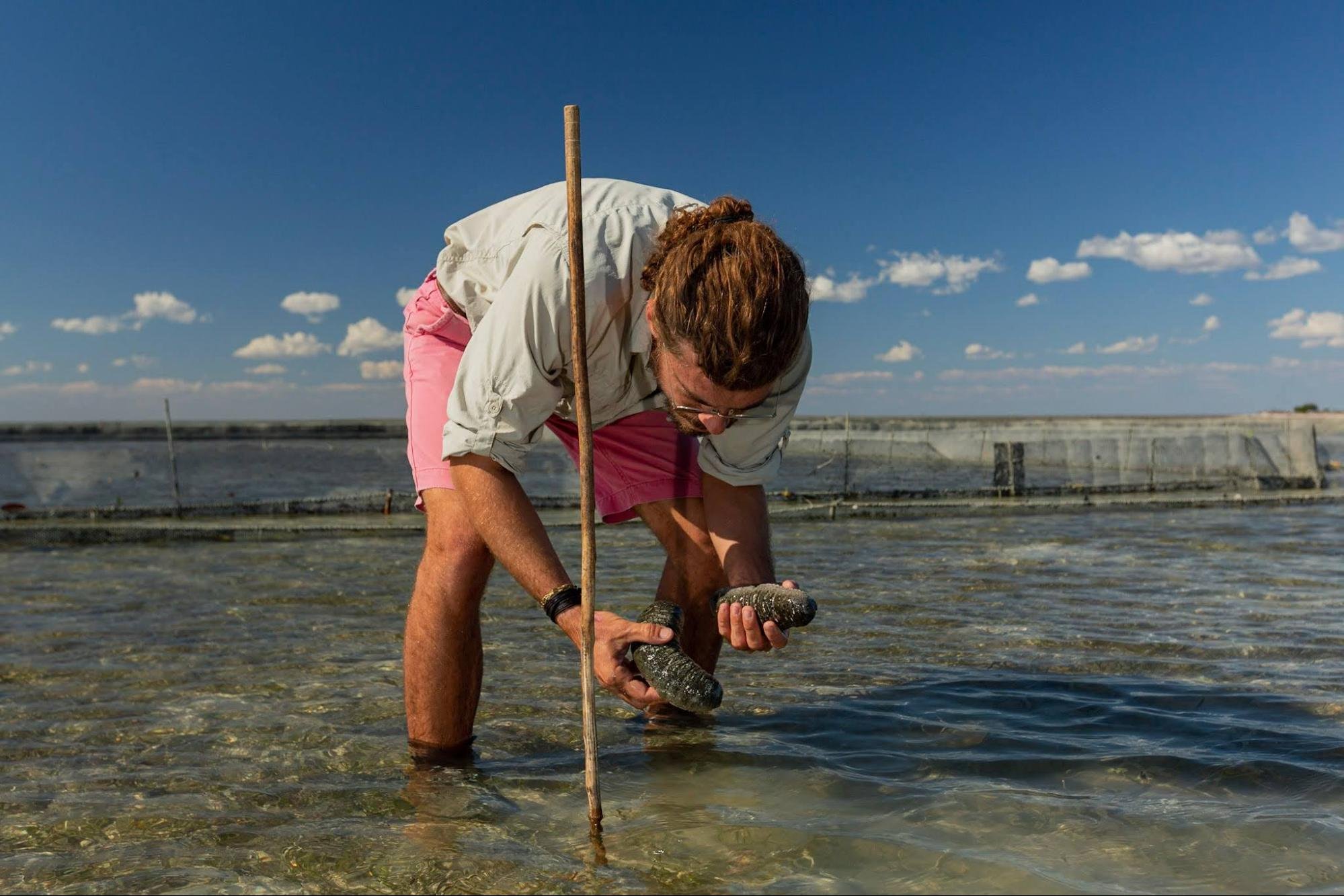
Juveniles are supplied to partner communities with no up-front cost, and their production costs are recouped only at harvest. Restocking protected seagrass with hatchery-raised juveniles adds sandfish to the sea and leaves wild populations alone.
Delivered to every CORE Zone partner
- Hatchery-raised juveniles: supplied on a schedule through the grow-out cycle
- Nursery support: early grow-out to field-stocking size
- Stocking plan: density, timing and placement agreed with the community, based on the site assessment
- Broodstock management: keeping genetic diversity and steady production
- No up-front cost: juvenile costs are recouped from Asili's share at harvest
The knowledge to govern a CORE Zone stays with the community.
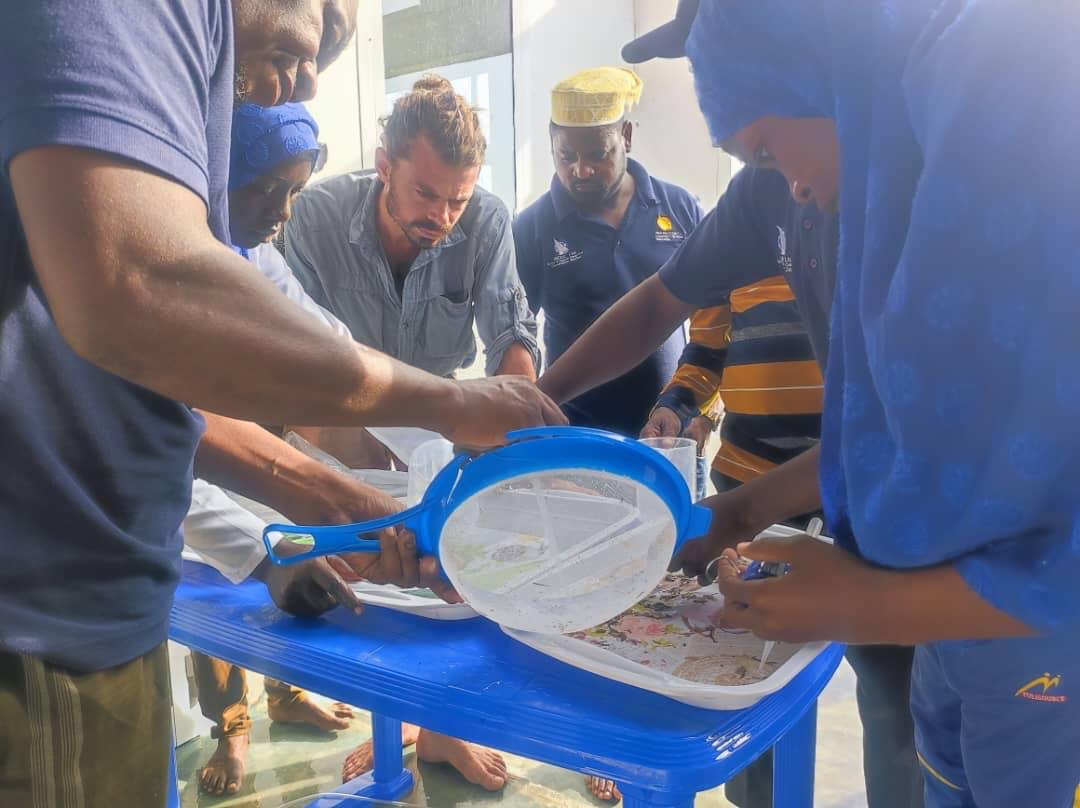
Asili provides technical extension to every partner CORE Zone as a working relationship through the whole grow-out cycle, not a one-off training. Our team works alongside cooperative and SFC members, building the skills that make each community a stronger manager of its own sea.
The aim is to pass the expertise on. Over time each partner community should be able to run its own surveys, monitoring and management decisions.
Delivered to every CORE Zone partner
- Sea cucumber husbandry training: growth checks, health, predators and harvest practice
- Population monitoring training: community-run surveys and stock estimates
- Patrol training: patrol routines, recording incidents and reporting
- Seagrass monitoring training: quadrat surveys and habitat checks
- Harvest and handling training: harvest methods and first handling for export-grade product
- Governance support: training and materials so the community can record its own governance decisions
- Ongoing technical advice: the Asili team on hand through the cycle
The tools and the wages to govern an ocean protection area properly.
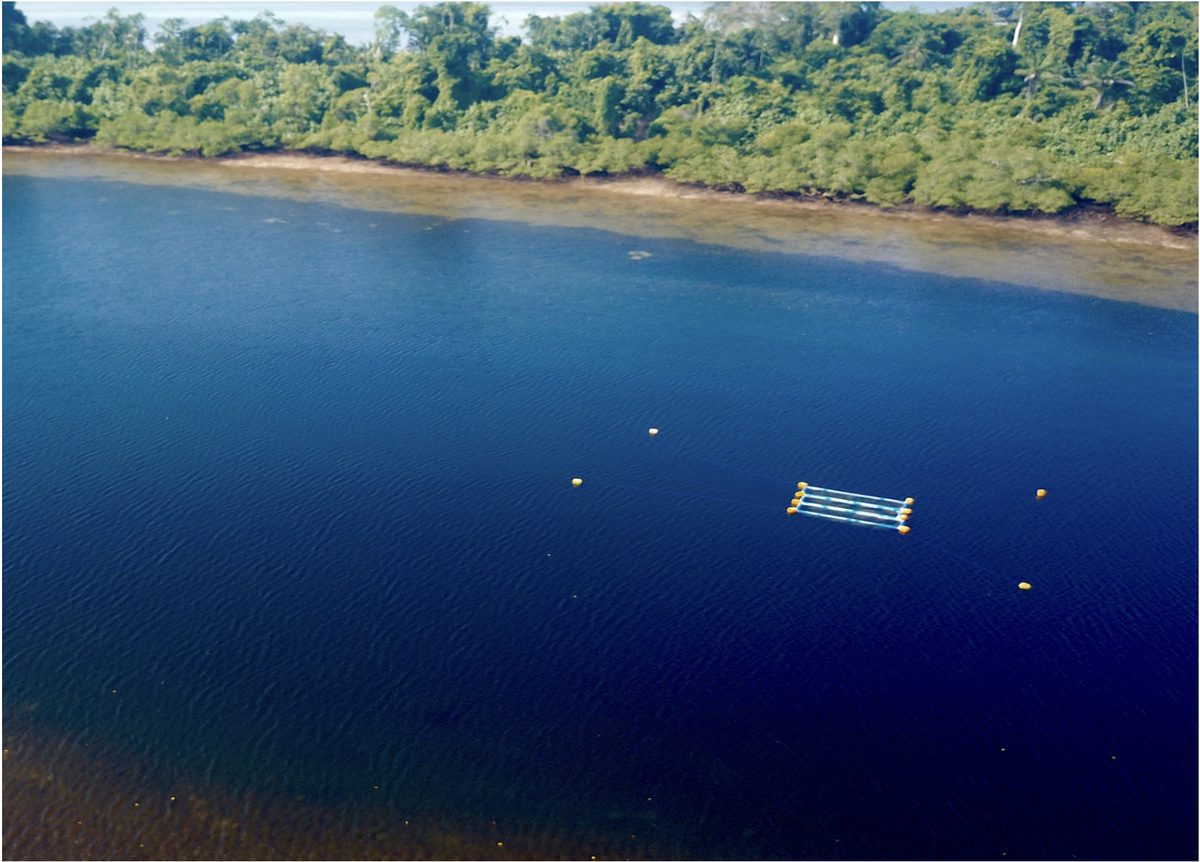
Patrolling a closed area costs money, and communities should not have to fund it from their own pockets. Asili channels the infrastructure, equipment and wages the community needs, funded through public co-investment until the first harvest.
The people who patrol and run the ranch are paid wages from the start, before any sea cucumber is harvested. The work is offered first to the fishers who used the area, and men and women sign up on separate lists.
Delivered to every CORE Zone partner
- Watchtowers: overlooking the closed area
- Floating security rafts: for patrolling on the water
- Patrol equipment: communication and recording kit
- Wages before the first harvest: for the workforce that patrols and runs the ranch
- Incident reporting: repeat rule-breakers are reported to the SFC, since breaking hifadhi rules is against fisheries law
Built for A-grade bêche-de-mer.
The price of bêche-de-mer depends heavily on processing quality. Asili provides the processing, quality control and export side of the model, so that CORE Zone harvests reach international buyers at the grade they deserve.
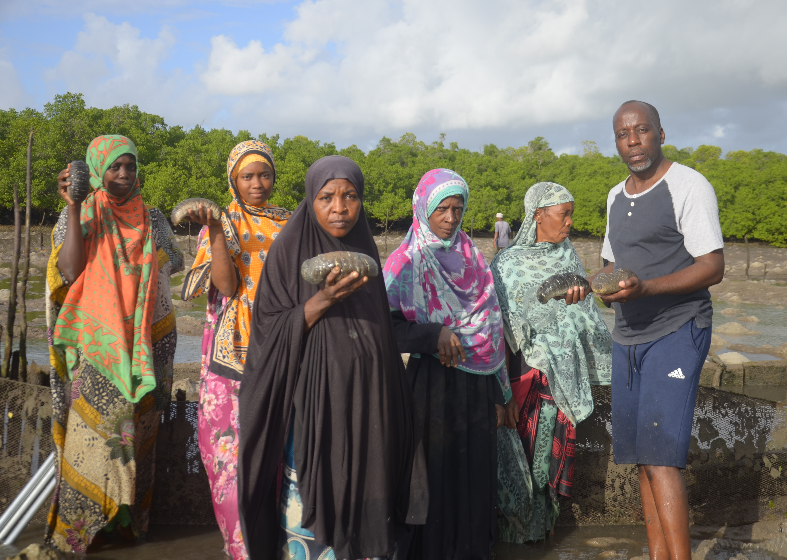
Cooperative members are trained in harvest and handling, so quality is protected from the moment the animals leave the water.
Delivered to every CORE Zone partner
- Processing: boiling, drying and grading to export standard
- Harvest protocol: size limits and harvest timing agreed with the community
- Quality grading and inspection: by Asili at the point of purchase
- Export logistics: Asili manages export documentation and shipping
- Batch records: every harvest batch logged from site to export
Traceability from hatchery origin to international market.
Because Asili raises the juveniles, supports the ranching and processes the harvest, every batch can be followed from the hatchery to the buyer. Buyers can know where and how their product was produced.
We are working with TRAFFIC on a traceability system for ranched sea cucumbers, designed around how CORE Zones produce and with environmental and social standards built in.
Delivered to every CORE Zone partner
- Hatchery-to-export records: kept at every stage of production and processing
- Market access: buyer relationships in Chinese, Japanese and Southeast Asian markets, led by our Marketing & Sales Director
- Origin story: product sold with its community and site of origin